Why Early Fall Is the Last Call for Exterior Brick Lime Wash
Q1 Painting • October 20, 2026
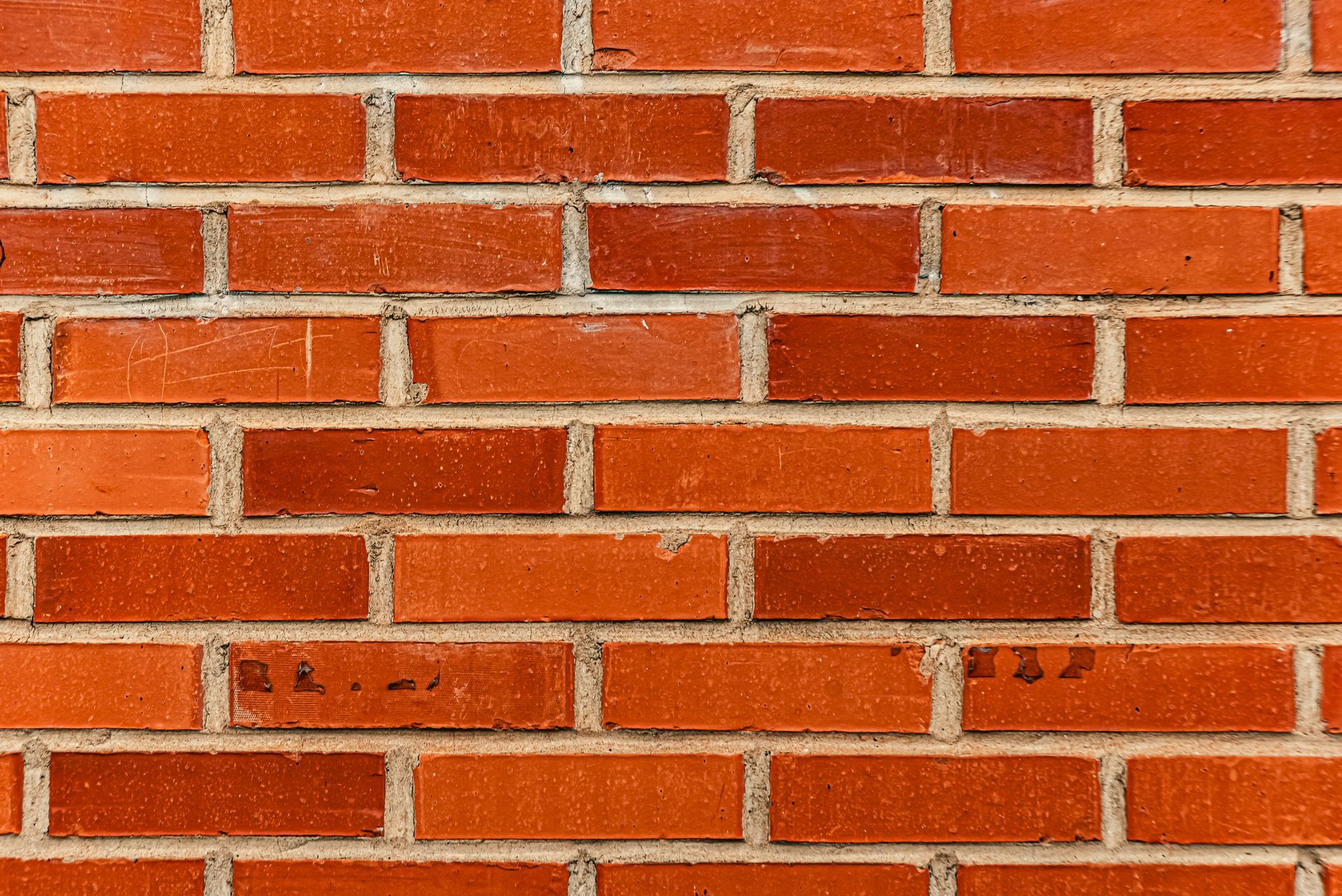
Fall provides a tiny window of opportunity for masonry updates before freezing temperatures shut down exterior production completely. Applying an exterior brick lime wash requires specific weather conditions that rapidly disappear once November approaches. The crew at Q1 Painting knows that waiting too long to book this service guarantees your project will be pushed to next spring. Homeowners in Moscow, PA, need to act right now if they want to protect and update their masonry before the snow flies.
Curing exterior coatings on brick is a chemical process that relies heavily on stable, moderate temperatures. If the moisture inside the lime mixture freezes before it fully bonds to the masonry, the entire finish will fail and flake off during the winter thaw. This guide explains exactly why early fall is the absolute last call for masonry coatings and the exact steps you need to take to get the job done right.
What You Need to Do Right Now
- Stage 1: Assess the Condition of Your Masonry
- Stage 2: Schedule the Exterior Brick Lime Wash
- Stage 3: Protect the Finish During the Cure
- Frequently Asked Questions
Stage 1: Assess the Condition of Your Masonry
Before any product can be applied, you must inspect the raw brick to ensure it is structurally sound enough to accept a lime wash. Water damage and crumbling mortar joints must be addressed well before the temperature drops.
- Check For Spalling: Look for faces of the brick that are popping off or turning to dust, as this indicates trapped moisture that needs professional attention.
- Inspect The Mortar: Probe the mortar joints with a stiff tool to see if they are soft or crumbling, which requires repointing before any coatings are applied.
- Look For Organic Growth: Identify green algae or moss growing on shaded walls, because these biological contaminants must be completely killed and cleaned off first.
- Identify Previous Coatings: Check if the brick has been previously sealed or painted, because residential lime washing requires a bare, porous surface to bond properly.
Stage 2: Schedule the Exterior Brick Lime Wash
Booking an exterior contractor in the fall is highly competitive because every property owner is racing against the same weather clock. Once the overnight lows start dipping into the freezing range, the season is officially over.
► The most critical urgency fact to know is that lime wash needs at least five consecutive days of temperatures above fifty degrees to calcify and bond to the brick.
- Lock In Your Date: Contact your exterior painting and lime wash contractor immediately to secure one of the few remaining spots on the calendar.
- Prepare The Surroundings: Move heavy outdoor furniture and trim back aggressive landscaping so the crew has immediate access to the walls on day one.
- Finalize Color Choices: Make your custom tinting decisions now so the contractor can order the specific mineral pigments without supply chain delays.
Stage 3: Protect the Finish During the Cure
Once the application is complete, the fresh lime wash enters a vulnerable state while it reacts with the carbon dioxide in the air to harden. Managing the immediate environment is the final step to a successful fall project.
- Monitor The Forecast: Keep a close eye on unexpected rainstorms that could wash away the fresh application before it sets.
- Redirect Water Flow: Make sure all gutters and downspouts are actively pushing water away from the newly treated walls.
- Avoid Harsh Impacts: Keep ladders, tools, and heavy equipment away from the house until the finish has reached its maximum hardness.
Frequently Asked Questions
How long does exterior lime wash take to cure?
While the surface will feel dry to the touch within a few hours, the actual calcification process takes several days depending on humidity and temperature. The lime needs consistent, mild weather to slowly absorb carbon dioxide from the air and turn back into solid limestone. Freezing temperatures halt this chemical reaction entirely and ruin the structural integrity of the coating.
Can you apply lime wash over painted brick?
True lime wash cannot be applied over standard acrylic paint jobs because the lime needs to soak directly into the porous brick. Paint acts as a plastic barrier that prevents the necessary mineral bonding from taking place. We must fully strip old paint or use specialized bridging primers if you want a lime finish on previously coated masonry.
Does lime wash protect brick from damage?
Yes, it acts as a highly breathable, sacrificial layer that takes the abuse of wind and rain instead of your actual brickwork. Because it does not trap moisture like modern latex paints, it prevents the freeze and thaw cycle from blowing the faces off your masonry. It naturally resists biological growth due to its high alkaline content, keeping your walls cleaner for longer.
Lock In Your Project Dates
Understanding the strict temperature requirements proves exactly why waiting until late October is a massive gamble for masonry work. Taking action today guarantees your house gets the protection and visual upgrade it needs before the harsh weather arrives. Call our team right now to assess your brick and get your exterior lime wash scheduled before the winter shutdown.
Share This Blog