Five Ways to Stop Commercial Exterior Paint From Peeling Fast
Q1 Painting • August 19, 2026
Owning a business facility means keeping the property looking sharp to maintain a professional image. When commercial exterior paint starts peeling off your building, it sends the wrong message to your customers and leaves your structure vulnerable to damage. The crew at Q1 Painting knows that an exterior paint job should last for years without flaking or chipping away. Business owners in Dunmore, PA, rely on us to do the job right and prevent these frustrating issues from happening in the first place.
The truth is that paint rarely fails on its own. Peeling is almost always the result of poor preparation, incorrect product choice, or underlying structural moisture. To save you from paying for the same job twice, we have put together the most effective ways to stop your commercial exterior paint from peeling fast.
In This Article
- Tip #1: Eliminate Underlying Moisture
- Tip #2: Never Skip Surface Preparation
- Tip #3: Use the Correct Masonry Primer
- Tip #4: Match Paint Chemistry to the Surface
- Tip #5: Fix Flawed Flashing and Gutters
- Frequently Asked Questions
Tip #1: Eliminate Underlying Moisture
Water is the enemy of any successful commercial painting project. When moisture gets trapped behind the paint film, the liquid eventually tries to escape as vapor. The pressure from this escaping vapor pushes the paint right off the wall.
- Identify Leaks First: Check for broken pipes or roof leaks before any paint cans are opened.
- Test Substrate Humidity: Ensure masonry and wood are fully dry using professional moisture meters.
Tip #2: Never Skip Surface Preparation
Many cheap contractors try to save time by painting right over dirt, chalk, and old flaking paint. The new coating needs a sound, clean surface to bond with correctly. If the old layer is failing, the new layer will fall right off with it.
- Power Wash Carefully: Remove all surface contaminants without driving water deep into the walls.
- Scrape and Sand: Strip away any loose edges until only tightly bonded paint remains.
- Clean the Chalk: Wipe away powdery residue from old oxidized paint to ensure strong adhesion.
Tip #3: Use the Correct Masonry Primer
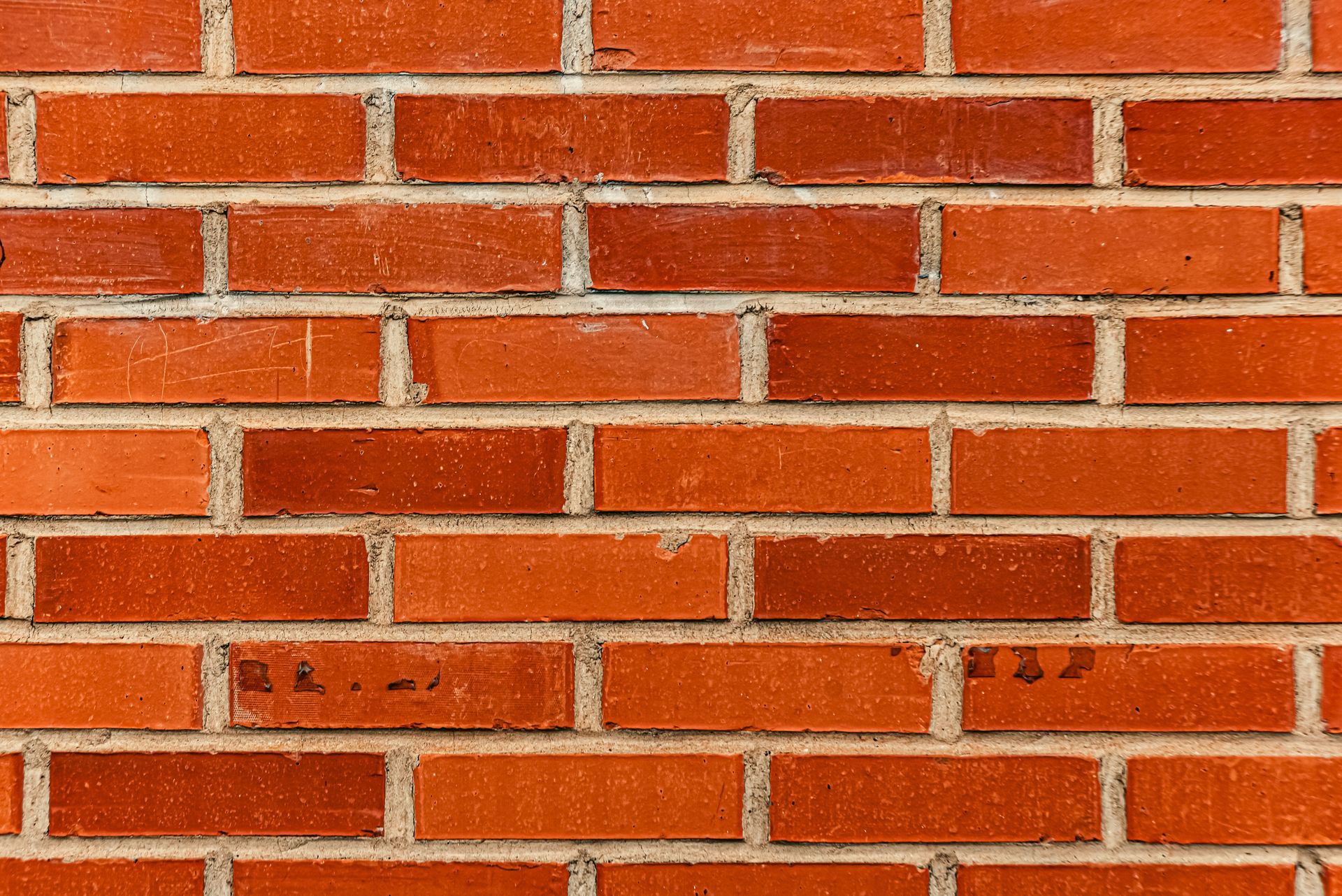
Applying standard acrylic house paint directly to brick or cinderblock is a guaranteed recipe for peeling. Commercial masonry naturally has a high pH level that will burn through regular coatings. You need a specialized alkali resistant masonry primer to lock down the surface.
- Check pH Levels: Professionals test the acidity of the brick before selecting a priming product.
- Block Efflorescence: Use a primer designed to seal out the white salt deposits that push paint off brick.
- Fill the Pores: Choose block filler primers for porous cinderblock to create a uniform painting surface.
Tip #4: Match Paint Chemistry to the Surface
Different building materials expand and contract at completely different rates. Using a rigid paint on a flexible surface like vinyl or thin metal leads to instant cracking. You must specify commercial grade coatings engineered for your specific building materials.
- Elastomeric Coatings: These thick paints stretch with stucco and masonry to bridge small cracks.
- Direct to Metal Paints: Structural steel requires specialized rust inhibitive paints to hold tight.
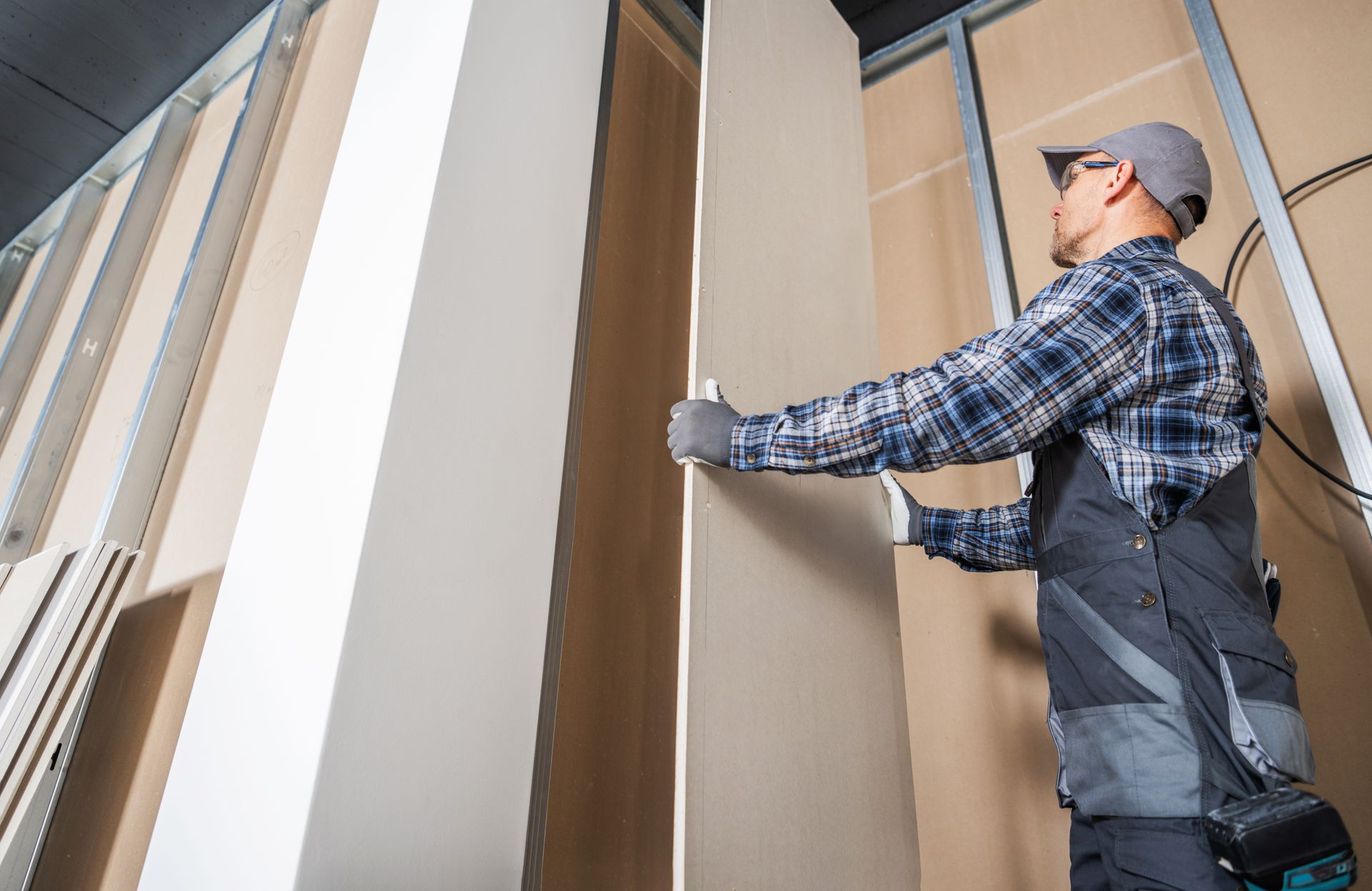
- Consider the Interior: Similar rules apply to commercial interior painting where high traffic drywall needs specialized scuff resistant products.
Tip #5: Fix Flawed Flashing and Gutters
Paint peeling right around the roofline or the base of the building is usually a water management issue. If gutters overflow or roof flashing is improperly installed, water dumps directly onto the painted surface. Continuous water exposure will eventually break down even the most durable commercial coatings.
- Reroute Downspouts: Make sure water is directed far away from the painted foundation.
- Seal The Flashing: Check the metal transition strips around flat commercial roofs for gaps.
Frequently Asked Questions
How do you prepare a commercial building for painting?
We start by identifying any structural issues and safely power washing the entire exterior to remove dirt and biological growth. Next, we scrape loose paint and apply appropriate patching compounds to damaged areas. Finally, we mask off all windows and trim before applying the necessary industrial primers.
Why does exterior masonry paint peel off?
Masonry holds onto moisture and is highly alkaline, which breaks down standard paint binders. When moisture turns to vapor inside the brick, it forces the paint outward causing large flakes. Using breathable elastomeric paint and alkali resistant primers is the only way to stop this chemical rejection.
How long should commercial exterior paint last?
When proper preparation and high quality industrial coatings are used, a commercial paint job should last anywhere from seven to ten years. Buildings exposed to harsh industrial conditions or direct, intense sunlight may need touch ups sooner. Regular maintenance and annual washing can easily extend the life of the coating.
Keep Your Building Looking Professional
Taking the time to do the job right means you can focus on running your business instead of worrying about constant building maintenance. Proper preparation and commercial grade products ensure your storefront or industrial facility looks sharp for years to come. Call our team today to discuss a permanent painting solution for your commercial property.
Share This Blog