Does Painting Vinyl Siding Actually Work or Will It Just Warp?
Q1 Painting • September 16, 2026
Upgrading the outside of your home does not always mean tearing off the old materials and starting from scratch. The crew at Q1 Painting regularly talks to homeowners who are terrified that putting new color on their house will ruin the existing siding. Painting your vinyl siding can save you thousands compared to a full replacement if the job is handled by experienced tradesmen.
The biggest fear people have is that the plastic panels will warp, melt, or buckle once the fresh coating dries. This is a valid concern because applying the wrong chemistry to plastic will absolutely destroy it. We are breaking down the real risks of vinyl warping and how professional methods guarantee a finish that lasts.
In This Article:
- The Reality of Vinyl Siding Expansion
- Why Cheap Paint Causes Irreversible Warping
- What to Expect from a Professional Application
- Frequently Asked Questions
The Reality of Vinyl Siding Expansion
Vinyl is engineered to be flexible so it can handle severe temperature swings without cracking. Those long plastic panels are actually hanging loosely on the side of your house to allow for natural expansion and contraction. When the sun hits the wall, the material heats up and stretches out before shrinking back down overnight.
→ From a professional standpoint: Any coating applied to these panels must be able to stretch and move at the exact same rate as the plastic underneath.
If a contractor applies a standard exterior house paint that dries too rigid, it will trap the panels and restrict their movement. As we have seen on many older homes in Clarks Summit, PA, this restricted movement causes the siding to buckle and ripple permanently. Using a premium quality paint application designed specifically for flexible substrates is non negotiable.
Why Cheap Paint Causes Irreversible Warping
The most common underestimation homeowners make is ignoring the impact of heat absorption on exterior walls. Standard architectural paints are tinted with traditional black pigments that soak up solar radiation like a sponge. If you paint a light colored vinyl house with a dark, standard paint, the surface temperature will skyrocket well past the melting point of the plastic.
→ A quick tip to remember: You can safely paint vinyl siding a dark color, but only if the paint is mixed with specialized vinyl safe pigments that reflect infrared light.
These advanced pigments allow the siding to stay cool even when painted in modern charcoal or deep navy shades. Slapping a cheap hardware store paint on your exterior will inevitably lead to melted panels that have to be completely replaced. Paying for the right chemistry upfront is the only way to protect your property.
When a job requires strict attention to material chemistry and proper surface preparation, having a reliable crew makes all the difference. It is a pattern the team at Q1 Painting hears regularly from homeowners who trust us with their exterior upgrades.
► Client Experience: We recently had the exterior and aluminum awnings on our house painted by Q1. Throughout the process it was a pleasure working with Mary, Jason and the Q1 team. Our neighbors have complimented us on how nice our house looks and on how professional, friendly and hardworking the Q1 team was onsite. Thank you Q1 for doing an awesome job! - Jackie Roche
Delivering lasting results requires a deep understanding of exterior surfaces and a commitment to doing the hard work properly.
What to Expect from a Professional Application
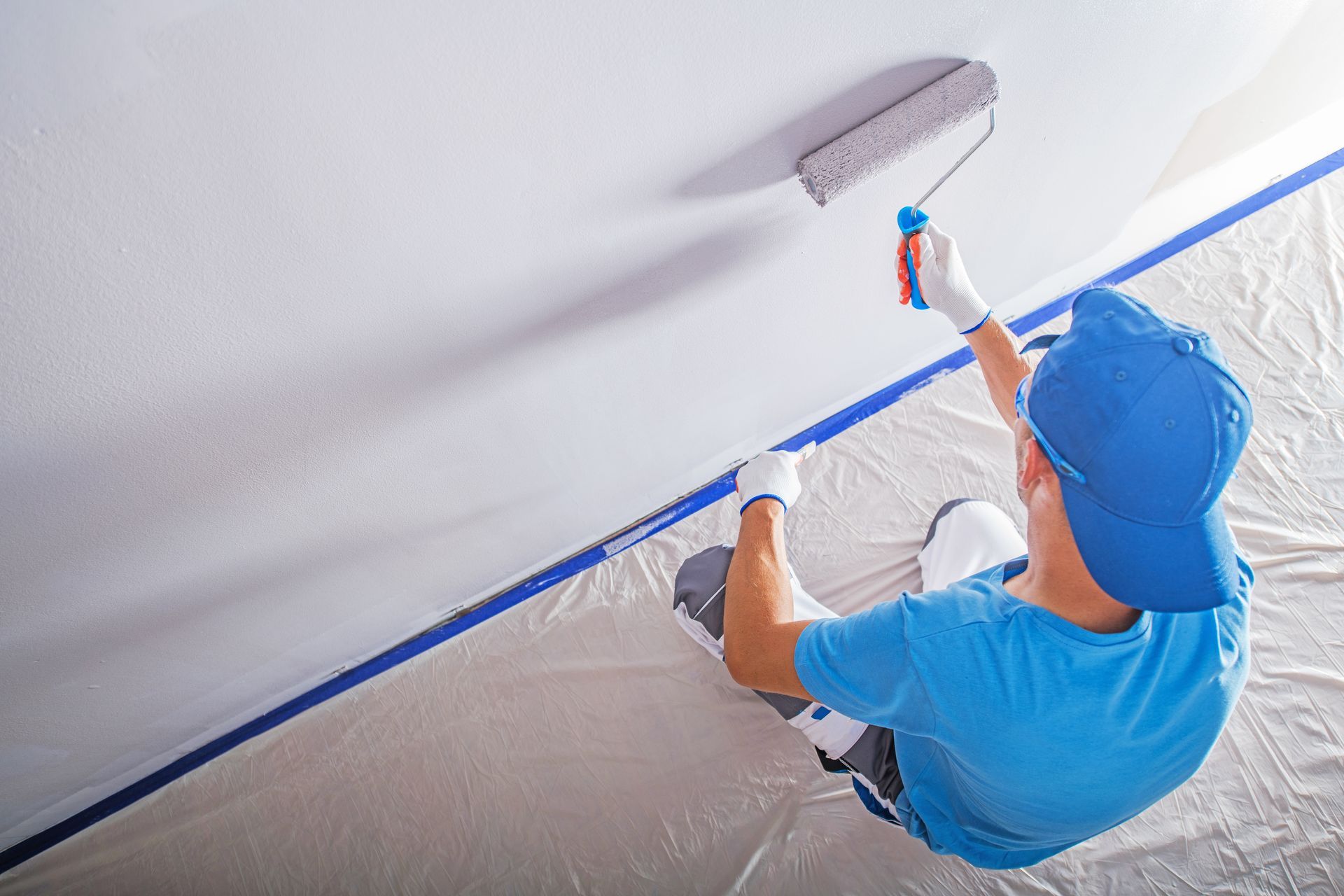
A successful vinyl painting project requires pristine conditions before the first drop of color goes on. The crew must perform thorough surface preparation to scrub away oxidation, dirt, and mildew that naturally stick to the plastic over the years. We apply a dedicated bonding primer if the factory finish is completely worn away to ensure the topcoat bites into the surface.
Once the project starts, the spraying process goes relatively quickly compared to painting porous brick or raw wood. You can expect a standard house to be finished in just a few days once the cleaning and masking stages are complete. The final result is a protective coating that restores the curb appeal of your property for a fraction of the cost of new siding.
Frequently Asked Questions
What kind of paint do you use on vinyl siding?
We exclusively use 100 percent acrylic latex paints formulated specifically for maximum adhesion and flexibility on plastic. These industrial grade coatings contain advanced urethane resins that allow the dried film to stretch as the siding expands in the heat. Using rigid oil based paints or cheap exterior acrylics will cause immediate flaking and restrict the movement of the panels.
Can I paint my vinyl siding a darker color?
You absolutely can, provided the coating is tinted using vinyl safe colorants. Traditional dark pigments absorb excessive solar heat and will cause the underlying plastic to literally melt and warp off the wall. We source specialized reflective pigments that allow you to choose deep modern colors while keeping the surface temperature well within safe limits.
How long does painted vinyl siding last?
When properly cleaned and coated with premium acrylics, painted vinyl can easily last ten to fifteen years before needing a refresh. The smooth nature of the plastic means the paint adheres incredibly well and resists peeling much better than it would on wood. The color will eventually fade from sun exposure, but the protective coating itself will remain bonded to the surface.
Make the Right Call for Your Exterior
Upgrading your home should not come with the stress of wondering if your siding is going to melt in the afternoon sun. Relying on professional chemistry and proper application techniques guarantees a beautiful finish that actually protects your house. Reach out to our team to discuss your color options and get your exterior project on the schedule.
Share This Blog