Durable Staining Techniques for Long-lasting Log Cabins
Q1 Painting • May 19, 2025
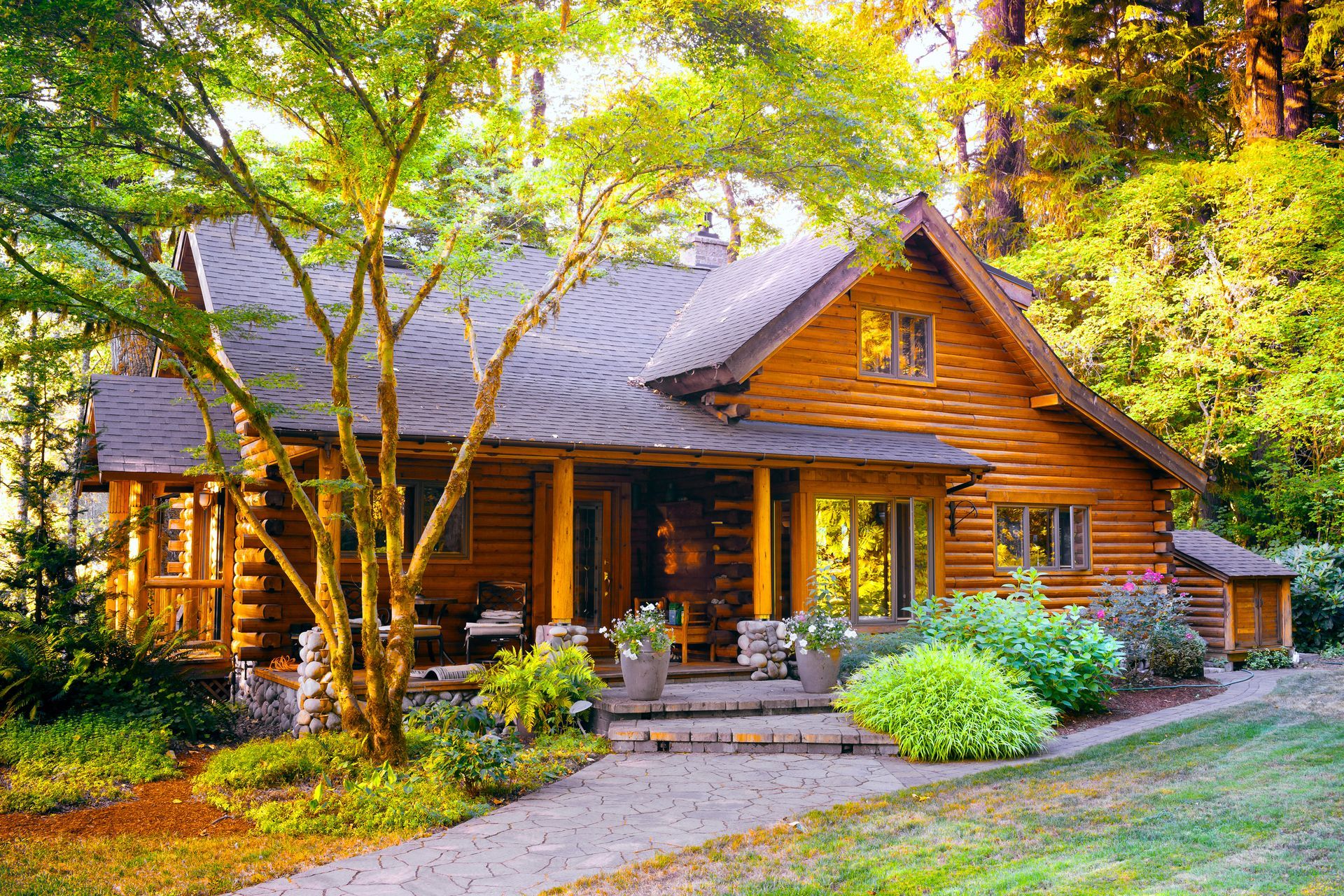
Log cabins are synonymous with rustic charm and enduring beauty, offering a unique blend of warmth and natural appeal. However, maintaining the aesthetic and structural integrity of your log cabin requires more than just admiration; it demands regular and effective maintenance. In the heart of Northeast PA, where changing weather can take a toll on wooden structures, choosing the right staining technique is crucial for longevity. At Q1 Painting, we understand the intricacies involved in preserving your log cabin’s charm while ensuring it stands strong against the elements. Here, we delve into the durable staining techniques that promise long-lasting protection and enhance the beauty of your log cabin.
Understanding the Importance of Staining
Log cabins are exposed to a myriad of environmental factors, including sun, rain, snow, and humidity, which can lead to wood damage, discoloration, and even rot. Staining serves as a protective shield, safeguarding the wood from harmful UV rays, moisture, and mildew. By choosing the right staining technique, you not only preserve the natural beauty of the wood but also extend the lifespan of your cabin.
Choosing Between Oil-Based and Water-Based Stains
The first step in effective staining is selecting the right type of stain. Generally, stains are categorized into oil-based and water-based options, each offering unique benefits tailored to different needs.
Oil-Based Stains: Popular for their deep penetration abilities, oil-based stains offer a robust defense against moisture, making them ideal for the humid climate of Northeast PA. These stains enhance the natural grain of the wood, providing a rich, warm finish that is both classic and enduring. Their protective qualities mean that reapplication is typically required every 2-3 years, ensuring less frequent maintenance.
Water-Based Stains: For those prioritizing environmental considerations, water-based stains are an excellent choice. They dry faster, emit fewer volatile organic compounds (VOCs), and offer an easy clean-up process. While they might require more frequent reapplications—every 1-2 years—they provide a more environmentally friendly solution for eco-conscious homeowners.
Prepping Your Log Cabin for Staining
Effective staining begins with thorough preparation of the log surfaces. This step is crucial in ensuring the stain adheres properly and lasts longer.
Cleaning: Start by thoroughly cleaning the exterior of your log cabin. Utilize a pressure washer to remove dirt, mildew, and old stain residues. For more stubborn areas, a wood cleaner can be applied for a more profound cleanse.
Drying: Once cleaned, allow the wood to dry completely before proceeding. Moisture can prevent the stain from penetrating the wood properly, leading to bubbling or peeling over time. Ideally, let the wood dry for 48 hours to ensure it is ready for staining.
Sanding: Inspect your logs for rough areas and sand them down to smooth out the surface. This step not only enhances the appearance of the stain but also ensures uniform application.
Applying the Stain: Techniques for Lasting Results
The method of applying stain can significantly impact its longevity and aesthetic outcome. At Q1 Painting, we employ several techniques to ensure optimal results.
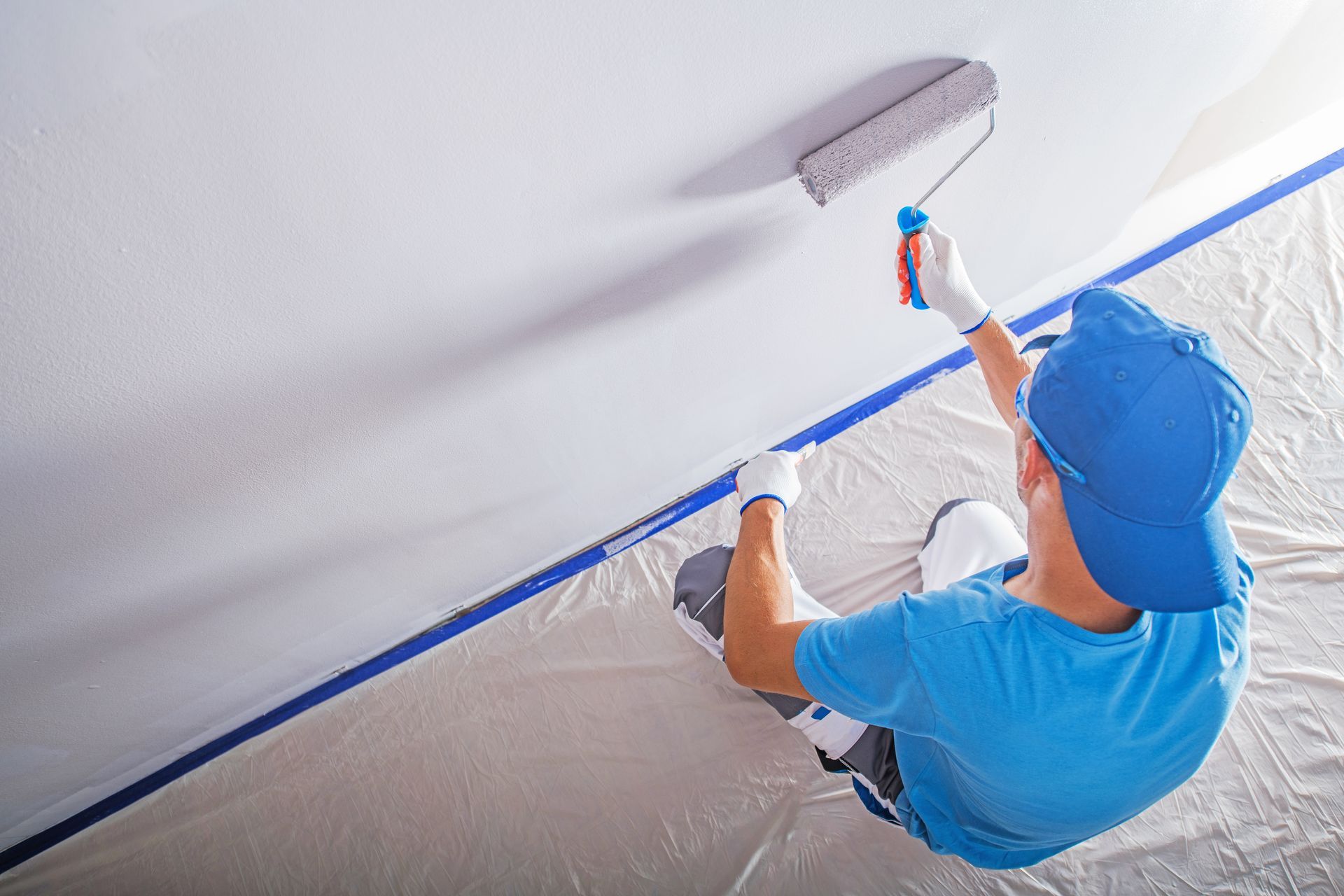
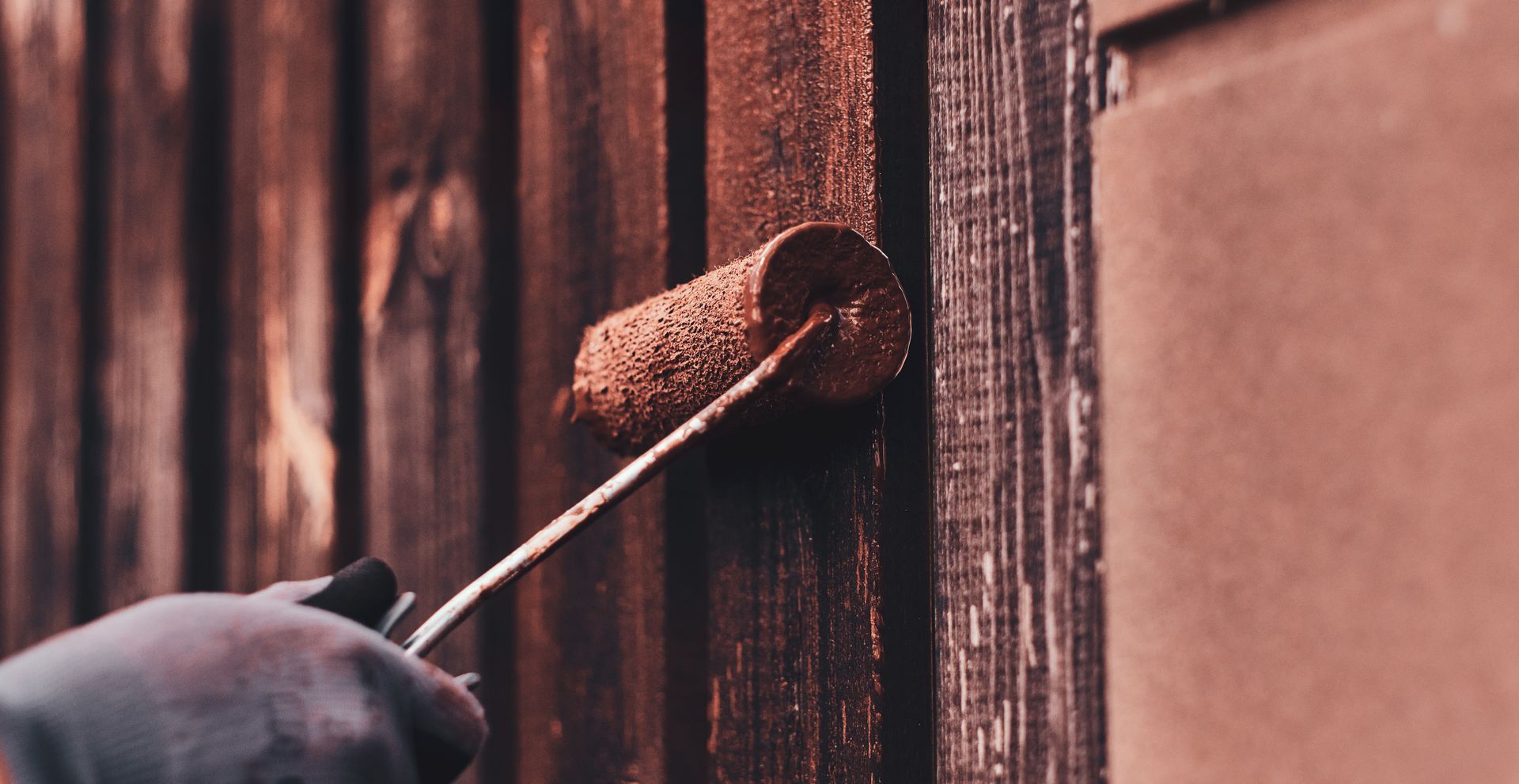
Brush Application: Using high-quality brushes, apply the stain in even strokes along the grain of the wood. This method ensures that the stain penetrates deeply, providing comprehensive coverage and protection.
Back Brushing: Immediately after applying the stain, back brush the surface to increase penetration and even out the stain. This technique enhances the uniformity and allows for better absorption, reducing the likelihood of streaks or blotches.
Two-Coat Application: For enhanced protection and richness, consider applying two coats of stain. Ensure that the first coat is dry before applying the second to avoid trapping moisture. This approach boosts the protective barrier, effectively guarding against the elements.
Weather Considerations
Timing your staining project is key to achieving the best results. Weather conditions in Northeast PA can be unpredictable, so choose a calm, dry period to begin staining. Ideal conditions include temperatures between 50°F–90°F and low humidity, which allow the stain to cure properly without interference from rain or excessive heat.
Elevate Your Log Cabin with Q1 Painting
Choosing the right staining technique for your log cabin is not just about preserving its beauty—it's about ensuring its longevity and enhancing its value. At Q1 Painting, we are committed to providing top-notch services that protect your investment and transform your living spaces into havens of rustic elegance. If you're keen on maintaining the charm and robustness of your log cabin, let us guide you through every step with our expertise and dedication to quality.
Transform Your Cabin’s Appeal Today!
Is your log cabin in need of care and attention? Don’t delay—protect your investment and enhance its beauty with Q1 Painting’s expert staining services. Serving Scranton, Wilkes-Barre, and surrounding areas, our professional team is ready to assist you! Contact us today at 570-871-2288 or visit www.q1painting.com to schedule your consultation and take the first step towards a more vibrant and lasting log cabin.
Share This Blog